Data Contracts in Plain Language
A data contract is a written, testable promise from the team that produces data to the teams that use it. Here is what goes in one and why it helps.
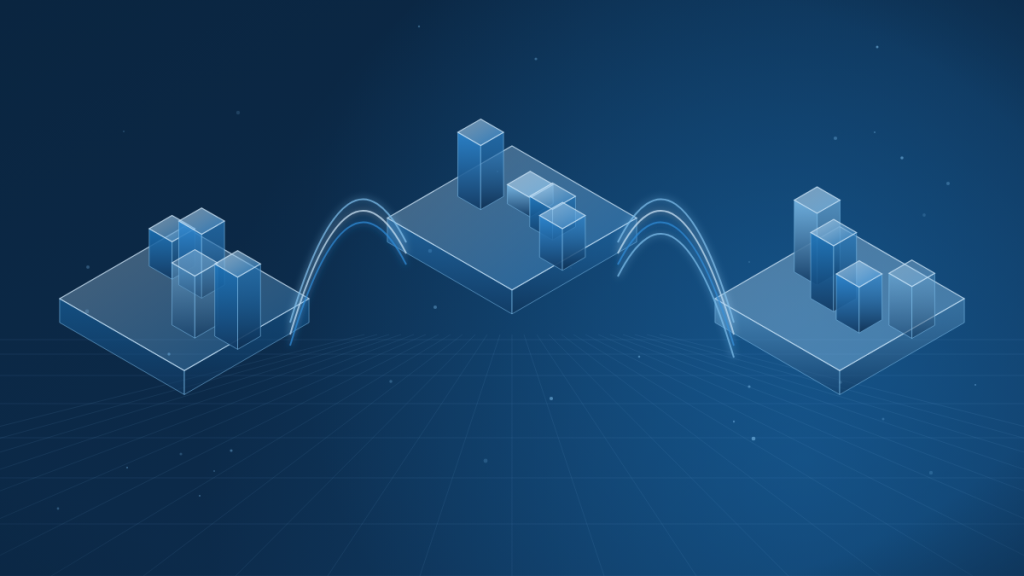
Imagine a team that maintains a customer table used by twenty reports, two machine learning models and a partner feed. One day the team renames a column. Nothing in their own pipeline breaks. Everything downstream does. A data contract exists to prevent that kind of surprise.
What a data contract is
A data contract is a written, machine-readable promise from the team that produces a data set to the teams that use it. It says what the data looks like, what quality to expect and how it will change. Because it is machine-readable, tools can check that the promise is being kept.
It is not a legal agreement, and it is not documentation that nobody reads. It is closer to an API specification for data.
What goes in one
The open format most teams now use, the Open Data Contract Standard maintained under the Linux Foundation’s LF AI & Data Foundation, organizes a contract into sections. The ones that matter most are:
- Schema: the fields, their types and which ones are required.
- Data quality: rules such as “no missing customer IDs” or “no duplicate orders”.
- Service levels: how fresh the data is and how often it is updated.
- Roles and support: who owns the data and where to ask questions.
How it is enforced
A contract that nobody checks is just documentation. Enforcement happens in the tools teams already use:
- Build tools such as dbt can refuse to build a model whose output does not match its declared columns and types.
- Streaming platforms can check each new version of a message schema against compatibility rules before it is accepted.
- Quality tools can run the contract’s checks against the real data on a schedule and report the results to the catalog.
How it handles change
Data has to change. The point of a contract is to make change predictable. A few simple rules cover most cases: add new fields with defaults, mark a field as deprecated before removing it, and publish a new version for any change that could break a consumer, with a stated period for consumers to move. Lineage tools help by showing who reads a field before anyone changes it.
Who does what
A contract has three parties, even when they sit in the same company. The producing team owns the contract: it writes it, keeps it in version control next to the code that produces the data and decides when a new version is needed. Consuming teams review proposed changes, especially breaking ones, and tell the producer which fields they rely on. The platform team makes the checks automatic, so that nobody has to remember to run them, and publishes the results where everyone can see whether each contract is being met. When a dispute arises, for example over how much notice a breaking change needs, the answer should come from an agreed rule rather than from whoever shouts loudest.
Where contracts fit
Contracts matter most at boundaries: between domains in a data mesh, between a platform team and the analysts it serves, or between your organization and a partner. Inside one small team, a conversation may be enough. Across twenty consumers, it is not.
The evidence base is still young. Peer-reviewed research specifically on data contracts mostly synthesizes practitioner experience, so it is worth measuring incidents and change lead times before and after you introduce them.
How Bassirah can help
We help teams decide where contracts are worth the effort, write their first ones in an open format and connect them to build tools, quality checks and the catalog. Our white paper on data products and data contracts covers the standards and research in depth.
Sources
- Data Products and Data Contracts in Mesh and Fabric (Bassirah white paper)
- Open Data Contract Standard (Bitol, LF AI & Data Foundation)
- dbt documentation: Model contracts
- Confluent documentation: Schema evolution and compatibility
Related reading
More in Explainers
Explainers
Moving Personal Data Across Borders in the Gulf and Egypt: A Plain-Language Map
The UAE, its financial free zones, Saudi Arabia and Egypt each regulate personal data leaving their territory. A plain-language map, as of October 2026.
Read post : Moving Personal Data Across Borders in the Gulf and Egypt: A Plain-Language Map→
Discuss This With Our Team
Bring your questions, constraints and current platforms. We will help you decide a practical next step.
Product and project names are trademarks of their respective owners. Their mention describes publicly documented technology and does not imply a business relationship, except where Bassirah names a Strategic Technology Partner.