
TELECOMMUNICATIONS
Real-Time Insight Across Networks and Customers.
Unify network and customer data to accelerate anomaly analysis, service quality understanding and retention decisions. Bassirah designs telecom data platforms where ingestion, analytical serving, federated access and long-term retention each scale on their own terms.
CDR analytics · Network observability · Churn & CX insight · Hot/cold data lifecycle

THE CHALLENGE
Network Data Grows Faster Than Platforms Built for Yesterday.
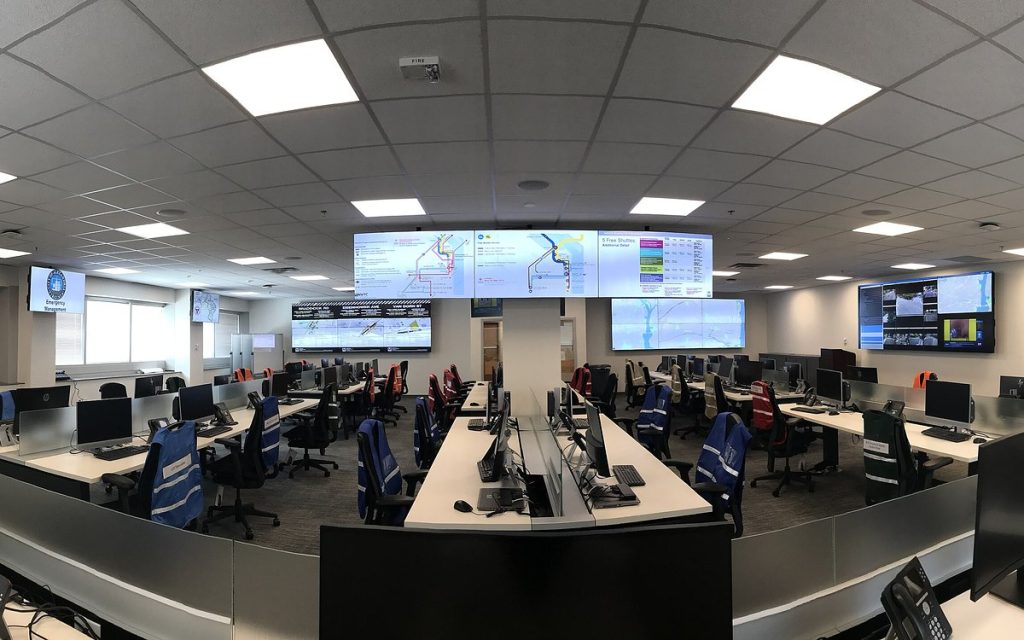
Operators generate relentless volumes of events, records and metrics. Turning them into timely answers means handling throughput, freshness and retention cost at the same time.
Volume and variety of events
CDRs, network telemetry, probes and service-quality metrics arrive in different formats, rates and schemas from many collectors and mediation systems.
Freshness for operations
Network operations and customer care need near-real-time views, while long-running history queries must not slow down operational dashboards.
Retention cost at scale
Keeping years of event history in high-performance storage is expensive. Hot, warm and archived data need distinct lifecycles and cost profiles.
Fragmented customer and network views
Churn and experience analysis depend on joining network quality with subscriber, billing and care data held in separate systems.
OPERATIONAL INTELLIGENCE
From Network Events to Actionable Operational Intelligence.
Handle the volume and variety of CDRs, network telemetry and service-quality data with ingestion, analytical serving, governed federation and retention tiers designed independently. Use ClickHouse for high-throughput analytical workloads, MinIO AIStor for durable data assets, and Trino or Starburst where federated SQL access fits the workload. Apply Redis to appropriately scoped hot operational lookup and session workloads.
What we offer
- Telco analytics architecture workshop
- CDR ingestion assessment
- Hot/cold data lifecycle and cost baseline
OUTCOMES
What Operators Build with Bassirah.
Network observability
Bring network events and service metrics into an analytical store modeled for investigative queries, anomaly analysis and capacity trends.
Near-real-time service dashboards
Serve operations and service-quality dashboards from a hot analytical tier, with freshness targets agreed and measured per dashboard.
Churn and CX analytics
Join network quality with subscriber, care and billing context through governed federation, without copying every dataset into one store.
High-throughput operational data
Use Apache Cassandra for selected distributed operational patterns and Redis for scoped hot lookups, each with clear freshness and ownership rules.
REFERENCE APPROACH
A Tiered Data Path, Not One System for Everything.
ClickHouse analytics, Redis low-latency serving, Cassandra for selected distributed operational patterns and Trino or Starburst federation. Subscriber control-plane state stays separate from large-scale historical analytics.
Logical data path
- Ingest.Network collectors, mediation, streaming/CDC and batch pipelines validate schema, timestamp, source ownership and data quality.
- Hot analytics.ClickHouse stores normalized CDR and network facts for investigative and dashboard queries. Data models, retention and materializations are workload-specific.
- Durable history.MinIO AIStor stores raw files and curated Iceberg tables, where the required table interfaces and catalog are supported.
- Federation.Trino OSS or Starburst queries approved sources and object-based historical datasets through compatible connectors and catalogs.
- Operational state.Redis provides narrowly scoped caching or fast lookups with freshness and expiration rules. It is not the authoritative billing or subscriber ledger by default.
- Cross-cutting services.DataHub for metadata visibility, dbt for selected transformations, and enterprise security and observability across every stage.
Technologies in this path: ClickHouse (support routes) · MinIO AIStor · Trino OSS · Starburst · Redis · Apache Cassandra · DataHub · dbt
Key architecture decisions
| Decision | Design alternatives | What we validate |
|---|---|---|
| CDR ingest delivery | Streaming platform, micro-batch or direct ingestion | Throughput, backpressure, replay, exactly-once needs |
| Hot versus historical retention | ClickHouse hot/warm; AIStor archived and Iceberg curated data | Storage cost, retention policy, query freshness |
| Distributed query access | Starburst Enterprise or Trino OSS | Connector semantics, throughput, tenancy, governance |
| Customer-controlled deployment | On-premises or private network topologies, where supported | Dependencies, patch import path, telemetry egress |
| Regional availability and DR | Multi-cluster design, backup and replication per system | RPO/RTO by subsystem, failure-domain tests |

PROOF PACKAGE
Benchmarks on Your Workload, Not Ours.
We do not publish generic savings or speed figures. Performance and cost benefits are stated only after we measure a representative workload with you. These are the metrics we validate, not guaranteed results.
What we measure
- Ingested events per second, sustained and at peak
- Data age: time from network event to queryable record
- Dashboard latency at p95/p99 under realistic concurrency
- Total cost at your target retention period
- Network-data completeness and billing-event reconciliation
- Failure recovery time per subsystem
What you receive
- Ingestion and retention benchmark
- Dashboard concurrency tests
- Data retention controls
- Disaster recovery plan
ARCHITECTURE BLUEPRINT
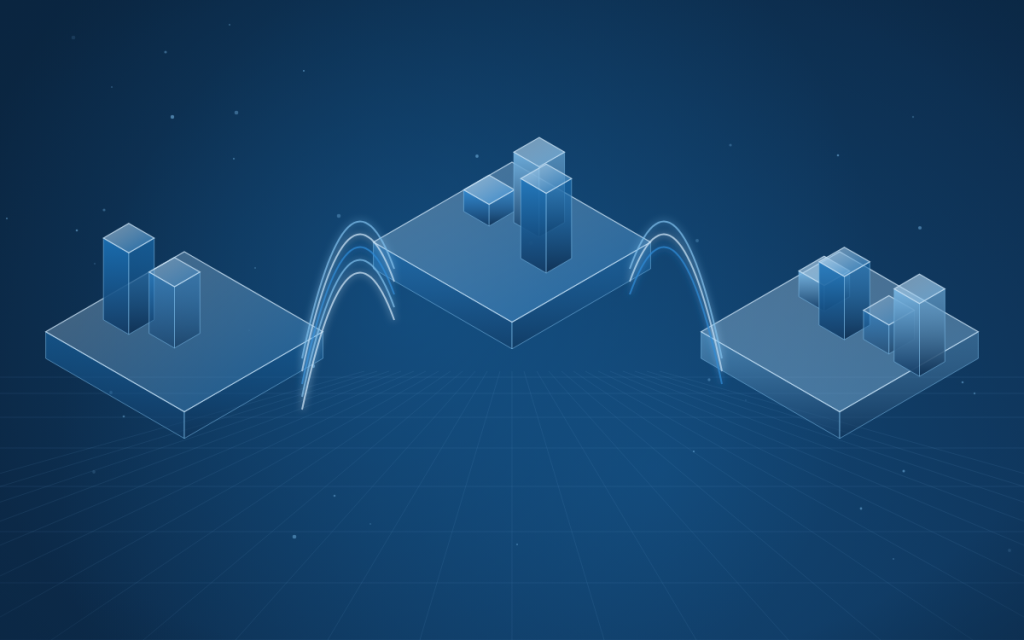
Modern Telco Core & Distributed Analytics
Turn network telemetry into trusted, timely intelligence. This multi-tier pattern connects network events, CDRs and service metrics to efficient analytical serving, lower-cost retention, federated access and selective operational caching.
Stack: ClickHouse · MinIO AIStor · Trino / Starburst · Redis · DataHub · dbt
Delivery caveat.
Bassirah validates sector-specific residency, privacy, retention, security and regulatory requirements during discovery. Product selection alone does not confer compliance. Customer-controlled or isolated deployments are designed where the selected technologies support them, and are verified for dependencies, patching and egress per engagement.
ENGAGEMENT OFFERS
Three Ways to Start.
Telco Analytics Architecture Workshop
Map your network, CDR and customer data flows to a tiered target architecture with documented technology responsibilities.
CDR Ingestion Assessment
Review mediation, collectors and pipelines for throughput, replay, schema quality and backpressure handling.
Hot/Cold Lifecycle & Cost Baseline
Model retention tiers and establish a measured cost baseline at your target retention before you scale.
Telecommunications FAQs
Why not keep all CDR history in one analytical database?
Hot investigative queries and multi-year retention have very different cost and performance profiles. We size a hot tier in ClickHouse for active analysis and keep durable history on MinIO AIStor, with federated access where needed.
Can you quote a TCO saving for our platform?
Not before measurement. We build a cost baseline at your target retention and compare options through workload sizing. Any savings figure is published only after a validated study.
Is Redis used as the subscriber or billing system of record?
No, not by default. Redis handles narrowly scoped caching and fast lookups with freshness and expiration rules. Authoritative subscriber and billing data remain in their systems of record.
Starburst or Trino OSS for federated network and customer data?
Both can fit. Starburst is a strategic partner route with commercial assurances; Trino OSS is supported through independent Bassirah engineering. We test connector semantics, throughput and governance for your sources. Compare Trino and Starburst.
Can the platform run on-premises inside our network?
We design for on-premises and private network topologies where the selected technologies support them, and verify dependencies, patch import paths and telemetry egress per engagement.
Related Pages
Design a Telecom Analytics Platform
Tell us your event volumes, retention needs and operational priorities. We will propose a tiered architecture and the benchmarks to prove it.